Abhik Mazumdar Aquascaping Consultation
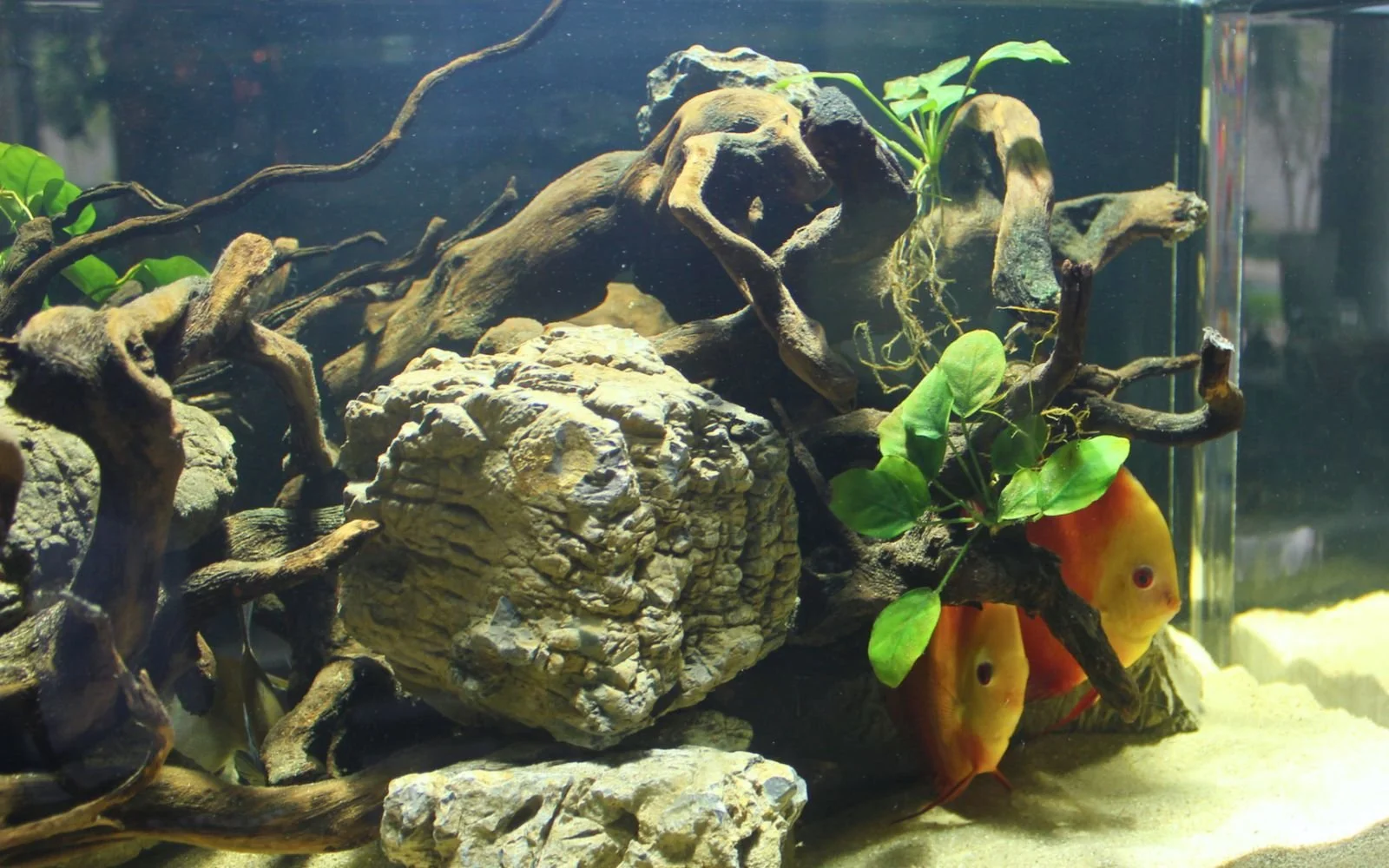
Aquascaping Consultation: From Design Concept to a Living Ecosystem
An aquarium is more than a collection of plants, rocks and water. At its best, it is a living landscape in which design, ecology and time work together. Creating one requires an understanding not only of composition and aesthetics, but also of the biological relationships that allow an aquatic environment to thrive. For Abhik Mazumdar, aquascaping is where artistic vision meets the science of living ecosystems.
The right guidance can help bring these elements together from the outset. Through aquascaping consultation, Abhik helps clients think through the design concept, ecological requirements and practical decisions that shape an aquarium - from its initial planning to the care it needs as a living system.
Abhik Mazumdar approaches aquascaping as both a design discipline and an exercise in understanding living systems. His consultations bring together visual composition, habitat requirements, technical planning and long-term care. He works with aquarium enthusiasts as well as architects, interior designers and project teams looking to integrate aquatic landscapes into homes and built environments.
Why Aquascaping Consultation Matters
An aquascape is shaped by a series of interconnected decisions. The choice of layout influences water circulation; lighting affects plant growth; substrate and nutrients influence root development; and the selection of fish and other inhabitants determines whether the ecosystem can function harmoniously.
These decisions are best considered together, before the aquarium is built. A well-planned aquascape balances visual composition with the biological and technical conditions required to sustain it.
Key considerations include:
Design and composition: Creating depth, perspective, proportion and a natural visual flow.
Plant and habitat selection: Choosing aquatic plants and inhabitants suited to the intended environment.
Lighting and CO₂: Establishing conditions appropriate to the plants and the desired aquascape.
Filtration and water quality: Planning circulation, filtration and water parameters around the aquarium’s needs.
Ecological compatibility: Ensuring that fish, plants and other organisms can coexist appropriately.
Maintenance and long-term stability: Anticipating pruning, cleaning, equipment access and the ongoing care the aquarium will require.
Consultation helps bring these considerations together early, reducing avoidable design compromises and giving the aquascape a more considered foundation for long-term health and visual coherence.
Aquascaping Consultation Services by Abhik Mazumdar
Aquascaping consultation can serve different needs, from planning a planted aquarium at home to developing an aquatic installation for a designed interior. The scope of guidance depends on the project, its intended inhabitants, the available space and the level of technical support required.
Abhik Mazumdar’s consultation approach focuses on making these decisions clearer before implementation begins, helping clients align their design ambitions with the practical requirements of a healthy, maintainable aquatic environment.
1. Custom Aquarium Design Consultation
Every aquascape begins with decisions about the space, the visual composition and the living environment it needs to support.
A design consultation can help clients think through:
Aquarium dimensions and placement: Determining the appropriate size, proportions, viewing angles and practical access for maintenance.
Layout and visual composition: Developing a concept that uses scale, depth, negative space and focal points to create a coherent underwater landscape
Hardscape selection: Considering stones, driftwood and other materials in relation to the intended design and the needs of the aquatic environment.
Plant selection and placement: Choosing plants suited to the layout, lighting and expected growth conditions.
Inhabitants and compatibility: Considering suitable fish and other aquatic organisms in relation to the aquarium's size, habitat and water conditions.
The objective is to establish a clear design direction before installation begins, so that aesthetic choices and practical requirements are considered together.
2. Nature Aquarium Planning
Nature aquariums draw inspiration from the forms, textures and spatial relationships found in the natural world. Their success depends on more than recreating a landscape visually: the composition must also work within the constraints of an aquatic environment.
Consultation can help clients explore different approaches to nature aquarium design, including:
Nature-style aquascapes: Compositions inspired by forests, valleys, hillsides and other natural landscapes.
Iwagumi layouts: Stone-led compositions that use proportion, placement and negative space to create visual balance.
Dutch-style planted aquariums: Plant-focused arrangements that use contrasting colours, leaf forms, heights and textures to create structure.
Minimalist aquascapes: Restrained compositions in which a few carefully selected elements establish a strong visual focus.
Planning considers the intended composition, plant growth, lighting, available space and maintenance requirements. The aim is to create a design that develops gracefully over time, rather than one that looks complete only on installation day.
3. Biotope Aquarium Consultation
A biotope aquarium is designed around a particular natural habitat, with attention to the environmental conditions and ecological relationships that define it. Rather than simply assembling plants, rocks and fish that look appealing together, a biotope-led approach begins with the characteristics of the place being represented..
Consultation can help clients explore:
Habitat research: Understanding the geography, water conditions, substrate and physical features of the chosen environment.
Species selection: Identifying fish, plants and other organisms appropriate to the habitat, while considering their compatibility and welfare.
Environmental conditions: Planning water parameters, temperature, flow, lighting and substrate to suit the intended ecosystem.
Habitat structure: Selecting and arranging stones, wood, leaf litter and other materials in ways that reflect the character of the natural environment.
Ecological relationships: Considering how the selected organisms interact with their surroundings and one another.
Possible areas of exploration include Amazonian river habitats, Southeast Asian freshwater environments and African freshwater systems. The appropriate level of fidelity depends on the project’s objectives, the available information and the needs of the organisms involved.
A carefully researched biotope can offer more than visual interest. It can also become a way to explore aquatic biodiversity, habitat-specific design and the connections between an ecosystem and the life it supports.
4. Aquascaping for Luxury Homes and Interior Design
An aquarium integrated into an architectural space needs to be considered as both a design feature and a living system. Its scale, position, lighting, structure and maintenance requirements can influence the way it looks and functions within a home, hotel or workplace.
Aquascaping consultation can help architects, interior designers and project teams plan for:
Spatial integration: Determining the aquarium’s dimensions, placement, viewing angles and relationship with surrounding interiors.
Design coordination: Aligning the aquascape with the material palette, lighting, furniture and overall design intent.
Technical planning: Considering filtration, circulation, electrical access, water management and equipment space in coordination with the relevant specialists.
Maintenance access: Ensuring the installation can be cleaned, serviced and maintained without disrupting the surrounding space.
Ecological planning: Matching the proposed design with the needs of the plants and aquatic inhabitants it is intended to support.
These considerations are best addressed early in the design process, when architectural and technical decisions can still be coordinated. Retrofitting them later may limit design options or complicate maintenance.
For residential, hospitality and commercial projects, the objective is to create an aquatic installation that feels integral to the space while remaining practical to operate and care for over time.
5. Online Aquascaping Consultation
Remote consultation can be a practical way to get expert input on an aquascape, whether you are planning a new aquarium or trying to improve an existing one. Through photographs, videos, dimensions and a discussion of the aquarium’s current conditions, Abhik Mazumdar can help clients evaluate their options and identify the next steps.
Depending on the project, an online consultation may cover:
Design and layout reviews: Assessing composition, scale, focal points and the placement of stones or driftwood.
Plant selection and growth: Discussing suitable aquatic plants in relation to lighting, available space and maintenance requirements.
Technical considerations: Reviewing information about lighting, filtration, water circulation and CO₂ systems, where relevant.
Plant health and algae concerns: Examining the available symptoms and aquarium details to help identify possible causes and practical corrective steps.
Existing aquascape improvement: Recommending adjustments to composition, planting or care routines to help the aquarium develop more successfully.
To make a consultation productive, clients should be prepared to share clear photographs or videos, aquarium dimensions, equipment details and information about water parameters and maintenance routines, where available.
Remote guidance has its limits: some issues require on-site inspection, water testing or intervention by an appropriately qualified local professional. The scope of advice will depend on the information available and the needs of the aquarium.
For clients who cannot meet in person, online consultation offers a way to access specialist design guidance and make more informed decisions about their aquascapes.
Who Should Consider an Aquascaping Consultation
An aquascaping consultation can be useful at different stages of a project, from the first design decisions to improving an established aquarium. The right guidance depends on the client’s goals, experience and the complexity of the installation.
It may be particularly relevant for:
First-time aquarium owners: Planning a planted aquarium with suitable equipment, appropriate inhabitants and a manageable care routine.
Experienced hobbyists: Refining composition, addressing recurring challenges or developing a more ambitious aquascape.
Biotope enthusiasts: Exploring habitat-inspired aquariums with greater attention to natural conditions, species compatibility and ecological relationships.
Aquascaping consultation can be useful at different stages of a project, from the first design decisions to improving an established aquarium. The right guidance depends on the client’s goals, experience and the complexity of the installation.
It may be particularly relevant for:
First-time aquarium owners: Planning a planted aquarium with suitable equipment, appropriate inhabitants and a manageable care routine.
Experienced hobbyists: Refining composition, addressing recurring challenges or developing a more ambitious aquascape.
Biotope enthusiasts: Exploring habitat-inspired aquariums with greater attention to natural conditions, species compatibility and ecological relationships.
Architects and interior designers: Integrating aquariums into residential, hospitality or commercial spaces from the early design stages.
Hospitality and commercial project teams: Evaluating the design, technical coordination and long-term care requirements of a display aquarium.
Aquascaping competitors: Reviewing layouts, plant choices and visual composition in preparation for a competition.
The value of consultation lies in matching design ambitions with the practical and ecological requirements of the aquarium. Early planning can help clients make better-informed choices before committing to equipment, materials or installation.
Benefits of Consulting an Expert Aquascapist
Aquascaping brings together visual design, technical planning and the care of a living ecosystem. Expert consultation can help clients make more informed decisions, anticipate challenges and develop an approach suited to their aquarium and experience.
Better Decisions Before You Build
Equipment, lighting, plants and aquarium inhabitants all influence one another. Reviewing these choices early can help reduce avoidable mistakes, prevent incompatible decisions and limit unnecessary expenditure on changes later.
A Clearer Plan for Your Aquascape
A structured design plan gives clients a clearer understanding of the layout, materials, plant choices and technical requirements involved. It also helps establish realistic expectations about the time and care needed as the aquascape develops..
A Balance of Design and Ecology
A visually compelling aquascape must also support the organisms living within it. Consultation brings composition together with considerations such as plant growth, water quality, lighting, filtration and the compatibility of aquatic inhabitants.
Planning for Long-Term Care
An aquarium continues to change after installation. Plant growth, algae, pruning, equipment maintenance and evolving water conditions all require attention. Planning for these realities from the beginning can make an aquascape more manageable and help preserve its intended character over time.
About Abhik Mazumdar
Abhik Mazumdar is an aquascaping specialist based in Gurugram, India, whose work explores the relationship between aquatic ecology, design and the natural world.
Through Reef & Stream Aquascapes, he works across nature aquariums, biotope-inspired environments and custom aquatic installations. His approach brings together visual composition, habitat research, the selection of suitable aquatic life and the technical planning required to support a living ecosystem.
His work extends beyond the aquarium as a decorative feature. Each project presents an opportunity to interpret the forms, textures and ecological relationships of nature within a carefully designed aquatic environment.
Abhik also works with aquarium enthusiasts, architects, interior designers and project teams to develop aquascapes suited to their intended setting, design ambitions and long-term care requirements.
For those seeking guidance on an aquarium or a larger aquatic installation, consultation offers a way to bring the creative vision and practical considerations together from the outset.
Conclusion
A successful aquascape is not defined by its appearance on installation day alone. Its true success lies in how well its design, aquatic life and environmental conditions work together as the ecosystem develops over time.
Thoughtful planning can help bring that balance within reach. Whether you are creating a planted aquarium at home, exploring a biotope-inspired environment or integrating an aquatic installation into an architectural project, the right guidance can help you make informed decisions from the start.
Abhik Mazumdar’s aquascaping consultation brings design intent and ecological considerations into the same conversation, helping clients plan aquatic environments with greater clarity and a more considered approach to long-term care.
Planning an aquascape? Contact Abhik Mazumdar to discuss your aquarium, design concept or aquatic installation.
