Aquascaping: The Art and Science of Building Living Underwater Landscapes
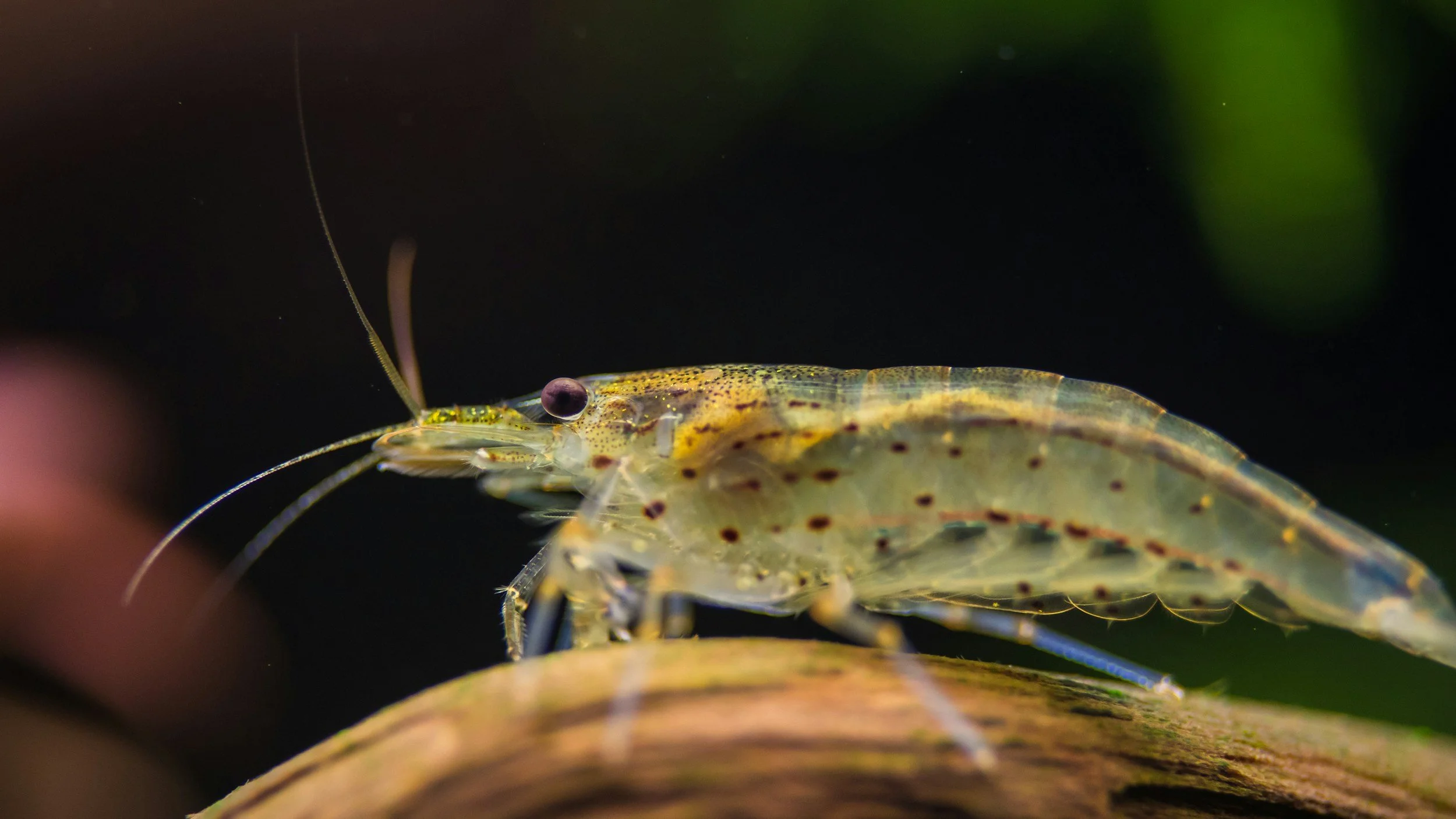
Introduction to Aquascaping
Aquascaping is the art of arranging aquatic plants, rocks, driftwood and substrate inside an aquarium to create a living underwater landscape. It blends design, biology, engineering and patience. Unlike a standard fish tank, aquascaping focuses on composition, balance, depth, proportion and long-term ecological stability.
As an aquascapist from India with years of experience designing planted aquariums across varied climates, I have seen aquascaping evolve from a niche hobby into a serious, creative and technical discipline. Today, Aquascaping in India is growing rapidly, with hobbyists, interior designers and commercial spaces adopting planted aquariums as centrepieces.
This guide covers everything you need to know about aquascaping, from styles and equipment to maintenance, SEO-driven insights and practical advice for Indian conditions.
What is Aquascaping?
Aquascaping is not simply decorating an aquarium. It involves:
Creating natural or artistic layouts
Managing aquatic plant growth
Maintaining water chemistry
Balancing light, CO₂ and nutrients
Designing perspective and scale
A well-designed aquascape mimics natural landscapes such as forests, mountains, riverbanks or grasslands. The goal is harmony between hardscape, plants and aquatic life.
Major Styles of Aquascaping
Nature Style Aquascaping
Popularised by Takashi Amano, Nature Style recreates landscapes inspired by forests, valleys and rivers. It focuses on asymmetry and natural balance.
Key Features:
Driftwood as focal points
Dense planting
Strong depth illusion
Natural colour palette
This style is highly popular in Aquascaping in India due to its adaptability to different tank sizes.
Iwagumi Aquascaping
Iwagumi is a minimalist rock-based layout rooted in Japanese design principles.
Key Features:
Odd number of stones
One dominant “Oyaishi” stone
Carpet plants like Monte Carlo
Open space and negative space
Iwagumi demands precision and discipline. It looks simple but requires excellent plant maintenance.
Jungle Style Aquascapes
This style is dense, wild and less structured. It works very well in Indian homes because it tolerates small maintenance lapses.
Key Features:
Fast-growing plants
Natural randomness
High biodiversity
Lower emphasis on strict geometry
Dutch Style Aquascaping
Dutch aquascapes focus purely on plants, arranged in rows and terraces to create contrast.
Key Features:
Strong colour contrast
No heavy hardscape
Clear plant grouping
Terraced effect
This style requires high light and disciplined trimming.
Essential Equipment for Aquascaping
To succeed in aquascaping, especially in Indian climates, equipment selection is critical.
Aquarium Tank
Opt for rimless tanks for better visual appeal.
60 cm (2 ft) tanks are ideal for beginners.
Use ultra-clear glass for high-end aquascapes.
Lighting
Lighting drives plant growth.
6,500K–8,000K LED lighting works well.
6–8 hours per day initially.
Avoid excessive lighting in hot Indian summers.
CO₂ System
Pressurised CO₂ ensures healthy plant growth.
Maintain 20–30 ppm CO₂.
Use drop checkers for monitoring.
Essential for advanced aquascapes.
Filtration
Canister filters preferred.
Turnover rate: 5–10 times tank volume per hour.
Good filtration reduces algae.
Substrate
Nutrient-rich aquasoil preferred.
Layer with base fertilisers.
Depth: 5–8 cm front, 8–12 cm back for perspective.
Water Parameters for Successful Aquascaping
Maintaining stable parameters is crucial.
Temperature: 22–28°C
pH: 6.0–7.5
Ammonia: 0 ppm
Nitrite: 0 ppm
Nitrate: <20 ppm
In many Indian cities, hard water is common. Use RO water if GH is above 8 dGH.
Step-by-Step Aquascaping Process
Plan layout on paper.
Place substrate and create slopes.
Position hardscape.
Plant heavily from day one.
Fill the tank slowly.
Start filtration and CO₂.
Perform 50% water changes twice weekly in the first month.
Consistency prevents algae outbreaks.
Common Mistakes in Aquascaping
Overfeeding fish
Inconsistent CO₂
Excess lighting
Ignoring water changes
Poor plant trimming
Algae is usually a symptom of imbalance.
Aquascaping in India: Unique Challenges and Opportunities
Aquascaping in India presents specific conditions:
Climate
High ambient temperatures can cause algae blooms. Use cooling fans during peak summer.
Water Hardness
Many Indian cities have hard water. RO systems help maintain control.
Plant Availability
Plant quality has improved significantly in India over the last five years.
Growing Community
Online communities, competitions and workshops are expanding. Indian aquascapers now participate in international contests.
Maintenance Routine for Long-Term Success
Weekly:
30–50% water change
Glass cleaning
Check CO₂ levels
Trim fast-growing plants
Monthly:
Filter cleaning
Replant tops
Adjust fertilisation
Consistency defines great aquascapes.
Cost of Aquascaping in India
Approximate investment:
Entry-level setup: ₹15,000–₹30,000
Mid-range: ₹40,000–₹80,000
High-end competition tank: ₹1,00,000+
Costs vary based on tank size, lighting and CO₂ systems.
Why Aquascaping is More Than a Hobby
Aquascaping develops patience, observation skills and design sensitivity. It teaches ecology and balance. In commercial spaces, aquascapes improve ambience and reduce stress levels.
In India, aquascaping is becoming part of interior design for homes, offices and hospitality spaces.
Final Thoughts on Aquascaping
Aquascaping is a balance between art and science. It demands understanding of plant biology, lighting, water chemistry and composition principles. When done correctly, aquascapes become living ecosystems that evolve beautifully over time.
Whether you are starting your first aquarium or building advanced aquascapes, remember that stability is more important than speed.
Aquascaping rewards patience.
