Aquarium Setup Challenges: Essential Tips from an Aquascaping Expert
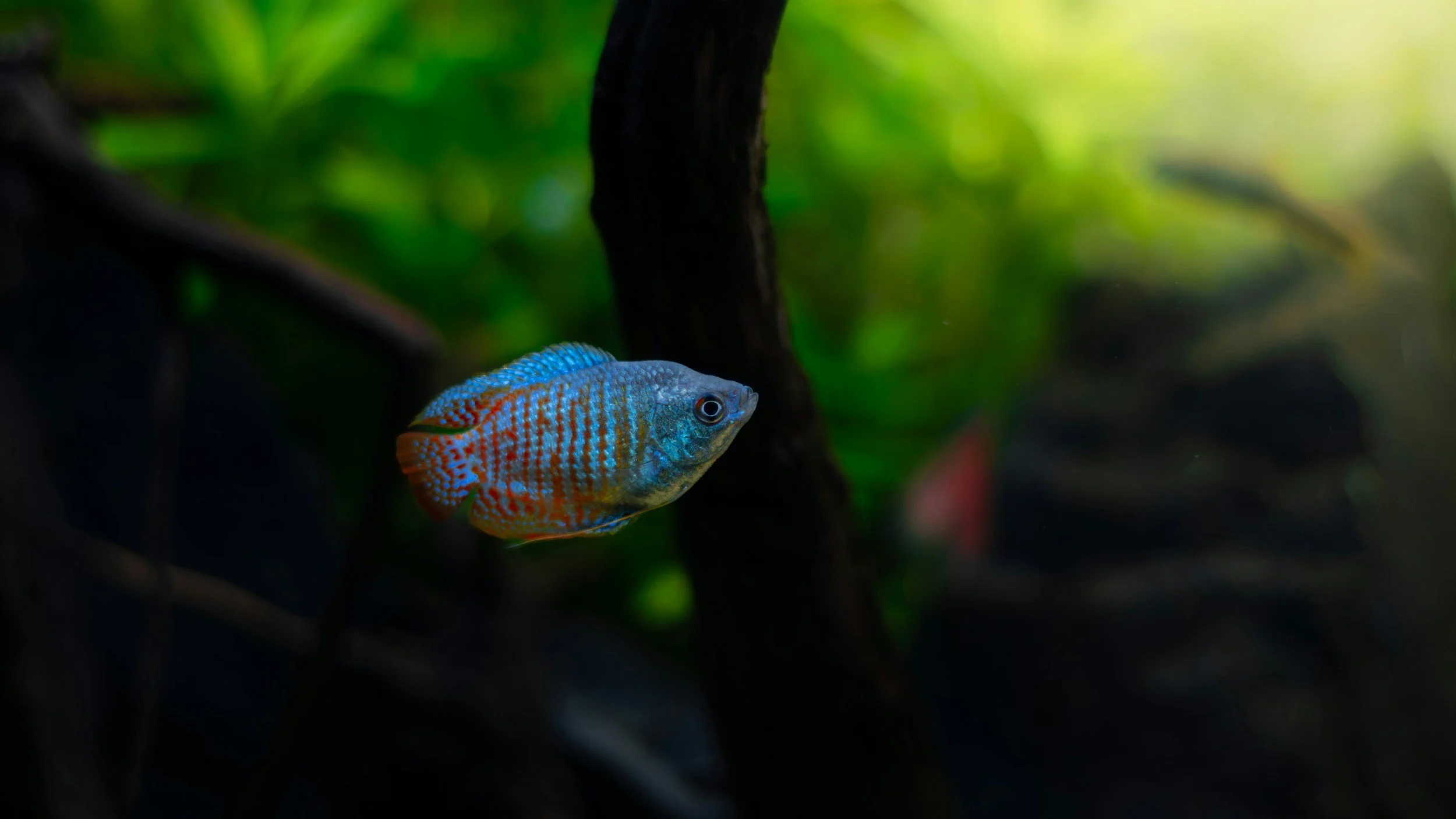
I’m Abhik Mazumdar, founder of Reef & Stream Aquascapes in Gurgaon, and I’ve spent decades perfecting the art of aquascaping. Creating a beautiful underwater world is thrilling, but first-time aquarium owners often face unexpected aquarium setup challenges. In this guide, I share the common obstacles beginners encounter and how to overcome them, so your first tank becomes a living masterpiece.
1. Choosing the Right Tank and Location
Before anything, plan carefully. Many novice aquarists impulsively buy the smallest tank they can afford, thinking it’s easier. In reality, very small tanks (say under 50 litres) are harder to keep stable – even minor changes can shock fish. I usually recommend a medium-sized tank (100–200 L) for beginners. It’s big enough to buffer fluctuations yet manageable for maintenance.
Location matters too. Avoid placing your aquarium in direct sunlight or near heat sources like radiators or A/C units. Extra sunlight fuels algae growth and sudden temperature swings. Instead, pick a sturdy stand in a spot with steady room temperature (ideally 22–26 °C). Ensure the wall and furniture can support the weight (water weighs about 1 kg per litre).
Tip: A wider, horizontally oriented tank is often better than a tall, narrow one. More surface area means better oxygen exchange for fish and easier planting of broad backgrounds.
2. Designing Your Aquascape
Aquascaping is as much about art as it is science. Before any equipment goes in, imagine your layout. Will you use rocks, driftwood, or terraced plants? We at Reef & Stream often sketch plans that mimic natural landscapes – forests, mountains or riverbeds. The key is balance: place focal points (big rocks or colourful plants) off-centre to create depth and avoid a flat, artificial look.
Substrate (the soil or sand) is another crucial element. We use nutrient-rich substrate for planted tanks and slope it from back to front, low at the glass and deeper at the back. This not only helps plant roots spread but also adds a sense of distance. Beginners sometimes dump substrate evenly or in a thin layer. In my experience, that can lead to poor plant health and excess debris. A good rule is to go about 5–7 cm deep at the back, tapering to 3–4 cm at the front.
Tip: When adding hardscape (rocks and wood), use an odd number of rocks and vary their heights. Odd groupings (3, 5, etc.) tend to look more natural. Also, consider the rule of thirds: place your main feature one-third across the width, not right in the centre.
3. Equipment Essentials
A thriving aquarium depends on reliable equipment. The basics are a filter, heater, and light. As an aquascaper, I prefer external canister filters for their efficiency and flexibility. They house beneficial bacteria (bio-media), which process fish waste – crucial for a healthy tank. Avoid cheap cartridge filters that toss out good bacteria every time you change the cartridge. Instead, get reusable filter media (ceramic rings or sponges) and rinse them in old tank water during maintenance to preserve colonies.
Heaters are vital for tropical tanks. Always choose a heater rated for slightly more water volume than your tank holds, and never rely on the heater alone for safety. Pair it with a stick-on thermometer and check it daily until you find the sweet spot. I aim for 24–26 °C (75–79 °F) for most tropical fish and plants. Remember, even a 2 °C swing can stress fish, so consistency is key.
Lighting for planted tanks can be tricky. In our installations, we use programmable LED lights so plants get exactly the right spectrum and duration. For beginners, start with a standard aquarium light (around 0.5–1 watt per litre of water) and run it about 6–8 hours a day. Too much light encourages algae; too little, and plants will struggle. Investing in a simple timer pays off – it automatically turns lights on and off at the same times each day, keeping things consistent.
4. Water Quality and Cycling the Tank
This is where most beginners falter: cycling the tank. New aquarium water needs to grow billions of beneficial bacteria before you add fish. These bacteria convert toxic waste (ammonia from fish waste) into less harmful nitrates. If you skip this step and add fish immediately, ammonia or nitrite spikes will likely kill them (known as "new tank syndrome").
I advise a fish-less cycle: set up everything (substrate, hardscape, filter) and fill the tank with dechlorinated water. Add a source of ammonia – this could be a pinch of fish food or a commercial bacteria starter. Then wait. Test the water every 2-3 days. Initially, you’ll see ammonia rise, then nitrite, then finally nitrate – a sign the cycle is complete. This can take 4–6 weeks.
During cycling, keep light pruning on plants only (to avoid extra waste) and resist the urge to rush. Patience here is rewarded later with crystal-clear, healthy water. Once ammonia and nitrite are consistently 0 ppm and only nitrates appear, it’s safe to add fish gradually.
5. Choosing Fish and Plants Wisely
Selecting livestock is exciting, but match them to your tank and each other. We often emphasise schooling fish like tetras or barbs, which feel safer in groups of 6 or more. A single tetra will be stressed and shy; get at least 6 so they display natural behaviour.
Also, consider fish size. Many beginner sets have a “4-inch fish per gallon” rule. In practice, 5 cm of adult fish per 20 L of water is a safer guideline. Overcrowding not only stresses fish but also overwhelms your filter. Start with a few small, hardy fish (like guppies, mollies, or danios) or shrimp.
For plants, beginners should pick forgiving species: Java fern, Anubias, Hornwort, or Cryptocorynes. These don’t need CO₂ injection and will help stabilise the tank by absorbing nitrates. Plant them wisely: put background tall plants (like Vallisneria) at the rear, mid-height plants (Amazon sword) in the middle, and carpet or foreground plants (dwarf hairgrass) up front. This layering avoids a flat appearance and makes maintenance easier.
6. Common Beginner Mistakes
Even with good equipment and plans, novices make some universal mistakes. Here’s how to avoid them:
Overfeeding Fish: Almost everyone overfeeds at first. Extra food just rots on the bottom, elevating ammonia and promoting algae. Feed sparingly – only what fish eat in 2-3 minutes, once a day or every other day. Remove any uneaten food quickly with a net.
Inconsistent Maintenance: It’s tempting to skip water changes early on, but frequent, scheduled water changes (20–30% weekly) keep water chemistry stable. We recommend setting a reminder. A consistent routine trains you to observe subtle changes too – if a plant starts yellowing or algae appears, you’ll notice early.
Ignoring Algae: A little algae is normal (it feeds tiny organisms). But a sudden green haze or slimy coating indicates imbalance (usually too much light or nutrients). If it happens, cut back the light by an hour or two, and boost maintenance (clean glass, vacuum substrate). Adding fast-growing plants can also out-compete algae for nutrients.
Skipping Water Tests: Test kits for ammonia, nitrite, nitrate and pH are inexpensive and prevent disaster. Do a quick test weekly. If ammonia or nitrite is above 0, do an immediate water change and revisit feeding or stocking levels.
Using Tap Water Straight: Many city waters have chlorine or chloramine. Always treat tap water with a conditioner to neutralise these. Without treatment, the disinfectants can kill your precious bacteria and fish. In Gurgaon, some areas use chloramine, which won’t dissipate on its own, so a conditioner that specifically removes chloramine is important.
Putting Fish in Day One: Even if ammonia feels low, resist the urge to add fish immediately. I’ve learned that a cautious approach saves fish lives. Start small: after the tank is cycled, introduce only a couple of fish. Wait 2-3 weeks, test again, and then add more. This gradual approach helps the biofilter adjust.
7. Maintenance and Long-term Care
Once the tank is running, an easy maintenance schedule keeps problems away. In addition to weekly water changes, clean the filter media every month (rinse in the tank water you’ve just removed, not tap water). Trim plants to prevent overgrowth; remove dead leaves promptly.
Each morning, glance at the aquarium: Are the fish active and feeding? Are the plants upright and healthy? This quick check often catches issues early. Monthly, check equipment: ensure the heater reads correctly and the lights are functioning well.
If issues arise (cloudy water, algae, fish distress), don’t panic. Rarely do you need drastic measures. Adjust one thing at a time: maybe reduce feeding, change more water, or add an aquarium-safe algae-eater fish like a small catfish or snails.
8. Expert Advice and Local Help in Gurgaon
At Reef & Stream Aquascapes in Gurugram (Gurgaon), we’ve designed countless tanks for homes, offices and public spaces. Beginners are always welcome to consult us. If you’re in Delhi NCR, consider booking a short design consultation. We can guide you on tank size, plant choice, and even suggest local shops for quality plants and equipment.
Remember, building an aquarium is a journey. It requires the balance and patience of an artist. In our projects, we often say: be as meticulous as you’d be with a high-end art piece. Demand precision from yourself – it shows. Over time, you’ll watch your ecosystem flourish, mirroring the harmony you put into it.
Good luck with your aquarium adventure! By avoiding these rookie pitfalls and applying a touch of professional insight, even first-timers can create stunning, thriving aquascapes. Dive in – the underwater world is yours to craft!
